
Healthcare is rapidly evolving, and more families are shifting toward home health monitoring. Instead of visiting hospitals for every minor health concern, people are now using medical devices at home to track vital signs and detect problems early.
Having the essential medical devices every household should have in 2026 can help families stay prepared for emergencies and manage chronic health conditions more effectively.
From checking blood pressure to monitoring oxygen levels, modern medical technology makes it easier than ever to stay in control of your health.
In this guide, we’ll explore the 10 most important medical devices every home should have and how they can help you maintain better health in 2026.
Why Every Home Needs Medical Devices in 2026
Home healthcare devices allow families to monitor their health conveniently and reduce unnecessary hospital visits.
Benefits include:
• Early detection of health problems
• Better management of chronic diseases
• Faster response during emergencies
• Reduced healthcare costs
• Improved long-term health monitoring
As healthcare technology continues to improve, home diagnostic devices are becoming more accurate, affordable, and easier to use.
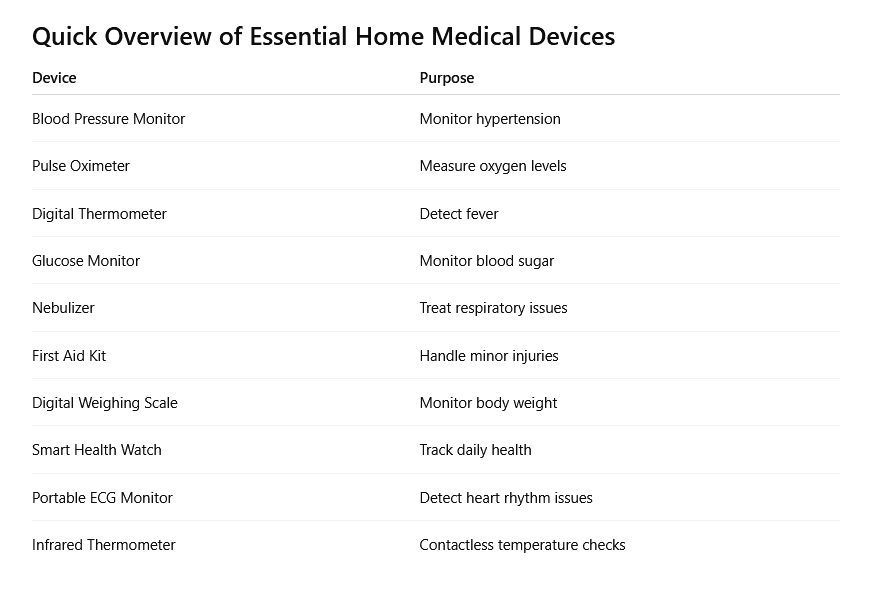
1. Blood Pressure Monitor
High blood pressure affects millions of people worldwide and often shows no visible symptoms. That’s why monitoring blood pressure regularly is extremely important.
A digital blood pressure monitor allows you to check your blood pressure quickly at home.
Benefits
• Detect hypertension early
• Monitor heart health
• Track treatment progress
• Easy one-button operation
Doctors recommend that adults over 40 years old check their blood pressure regularly.
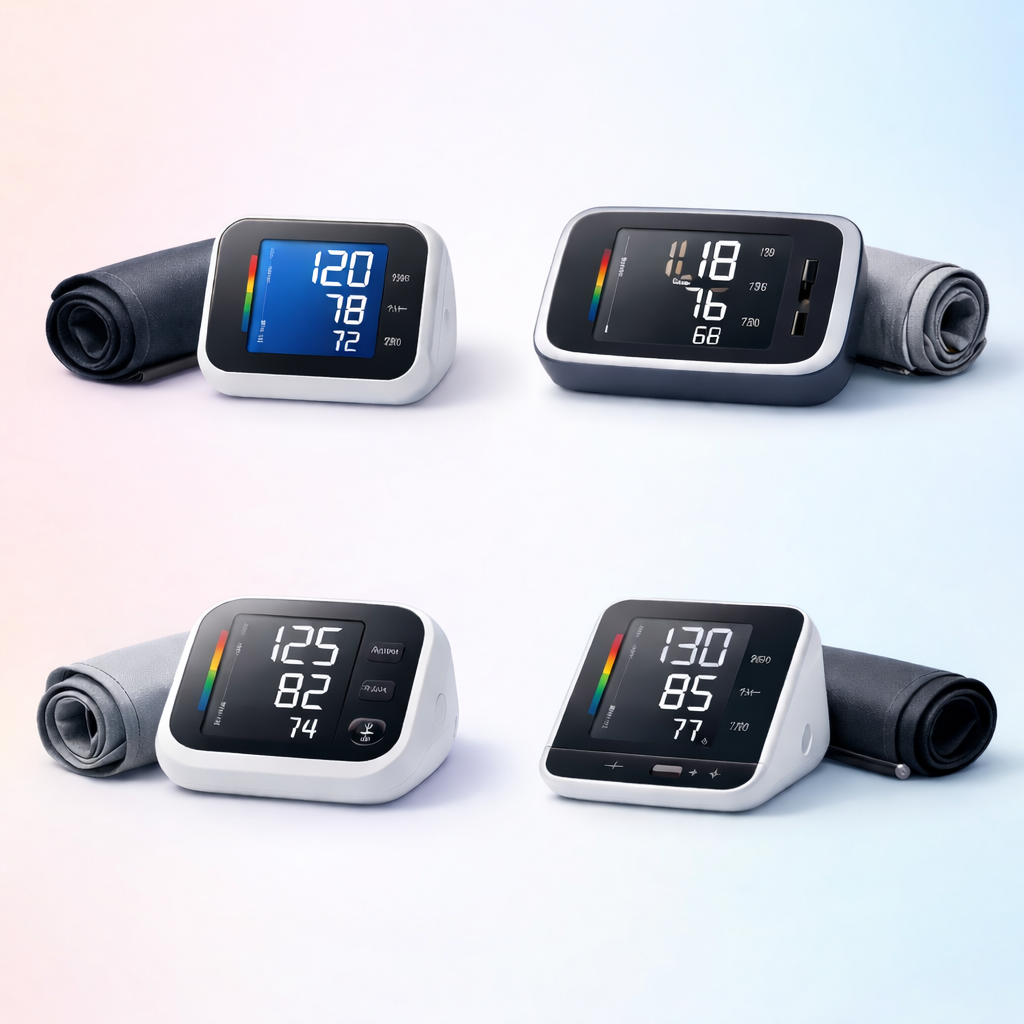
2. Pulse Oximeter
A pulse oximeter measures oxygen saturation levels in your blood. It also tracks your heart rate.
This device became extremely popular during the COVID-19 pandemic and remains essential for monitoring respiratory health.
Why It’s Important
• Detects breathing problems
• Monitors lung health
• Small and portable
• Instant readings
Normal oxygen levels should typically range between 95% and 100%.
3. Digital Thermometer
A digital thermometer is one of the most basic yet important medical devices every home should have.
It helps detect fever quickly and accurately.
Advantages
• Fast readings
• Safe for children
• Mercury-free design
• Easy-to-read display
A fever is often the first warning sign of infections such as flu or viral illnesses.

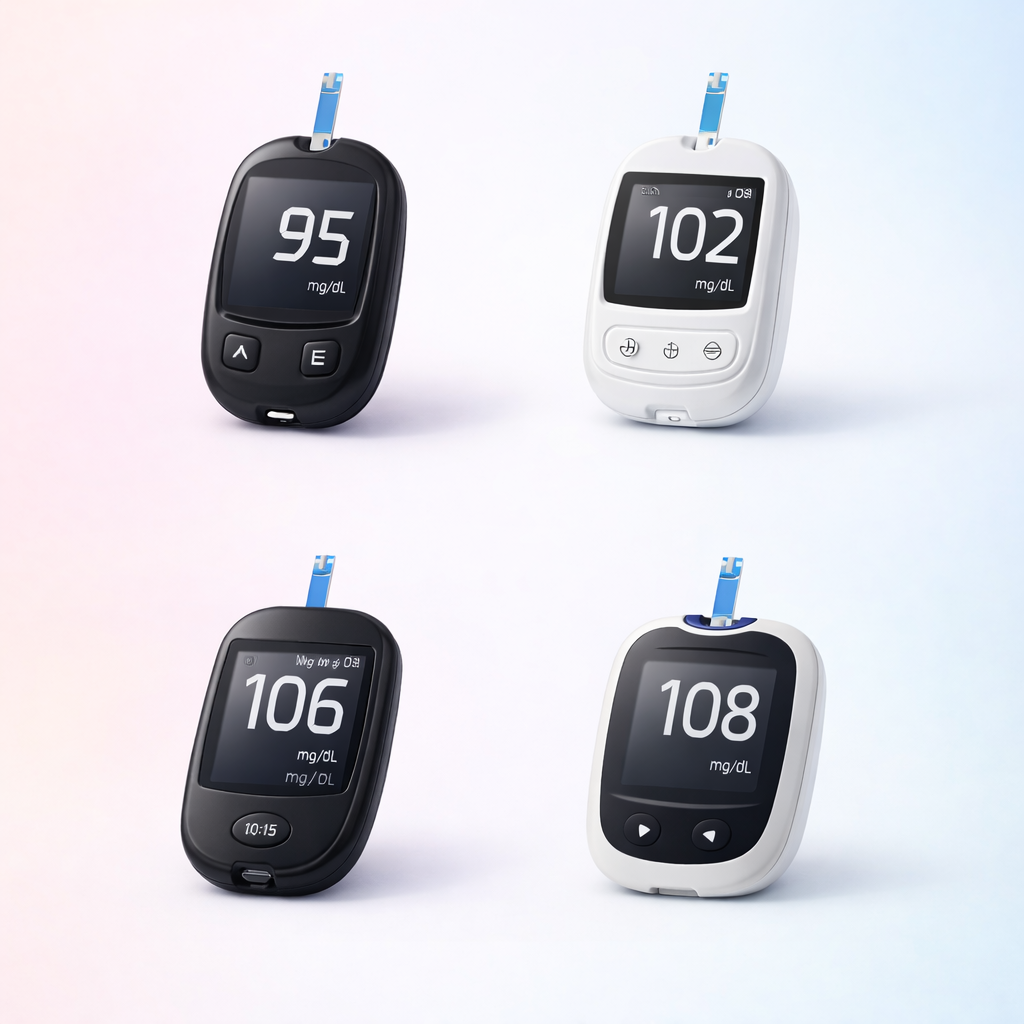
4. Blood Glucose Monitor
For people with diabetes, monitoring blood sugar levels is essential.
A glucose monitor helps patients track blood sugar levels and manage their condition effectively.
Benefits
• Manage diabetes effectively
• Prevent blood sugar spikes
• Track medication response
• Fast results
Continuous glucose monitoring devices are also becoming increasingly popular.
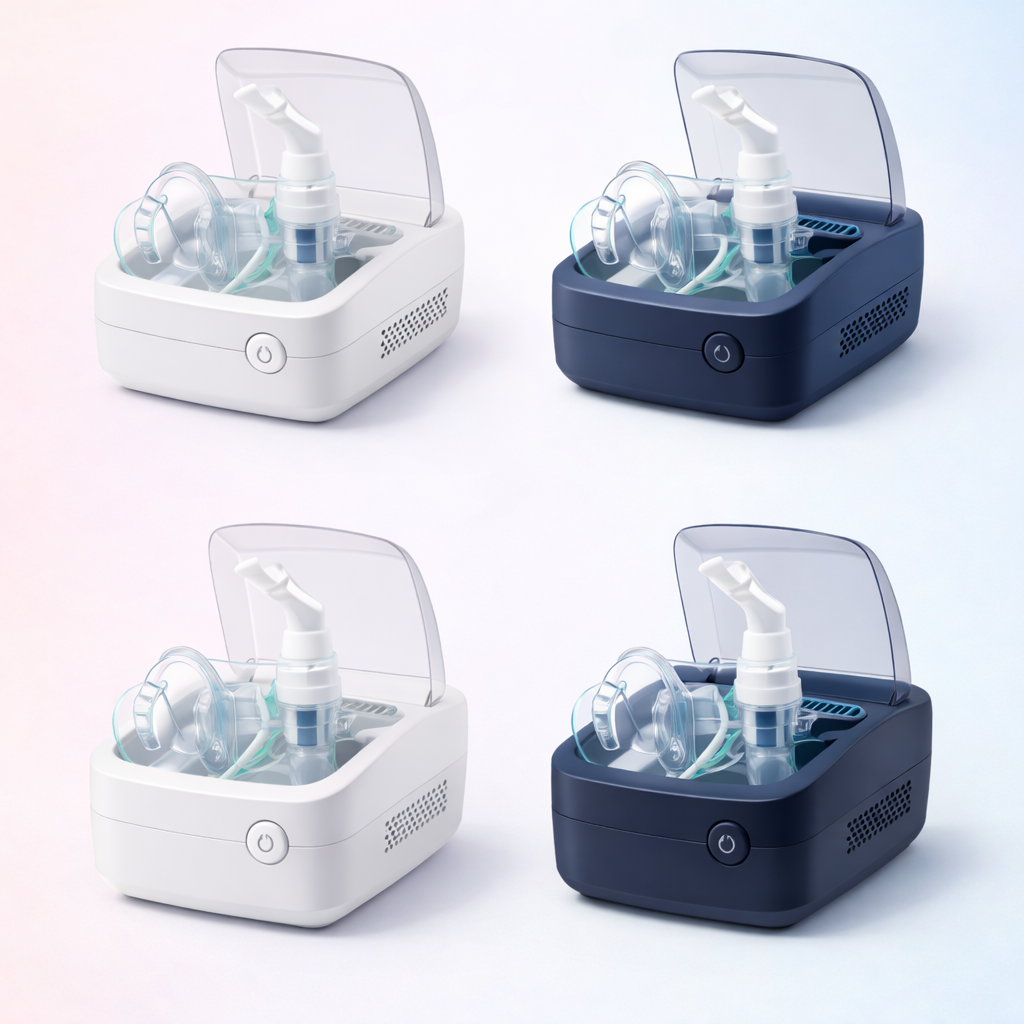
5. Nebulizer
A nebulizer converts liquid medication into a fine mist that can be inhaled into the lungs.
This device is extremely helpful for treating respiratory conditions.
Conditions Treated
• Asthma
• Bronchitis
• COPD
• Allergic respiratory reactions
Nebulizers are especially useful for children and elderly patients.
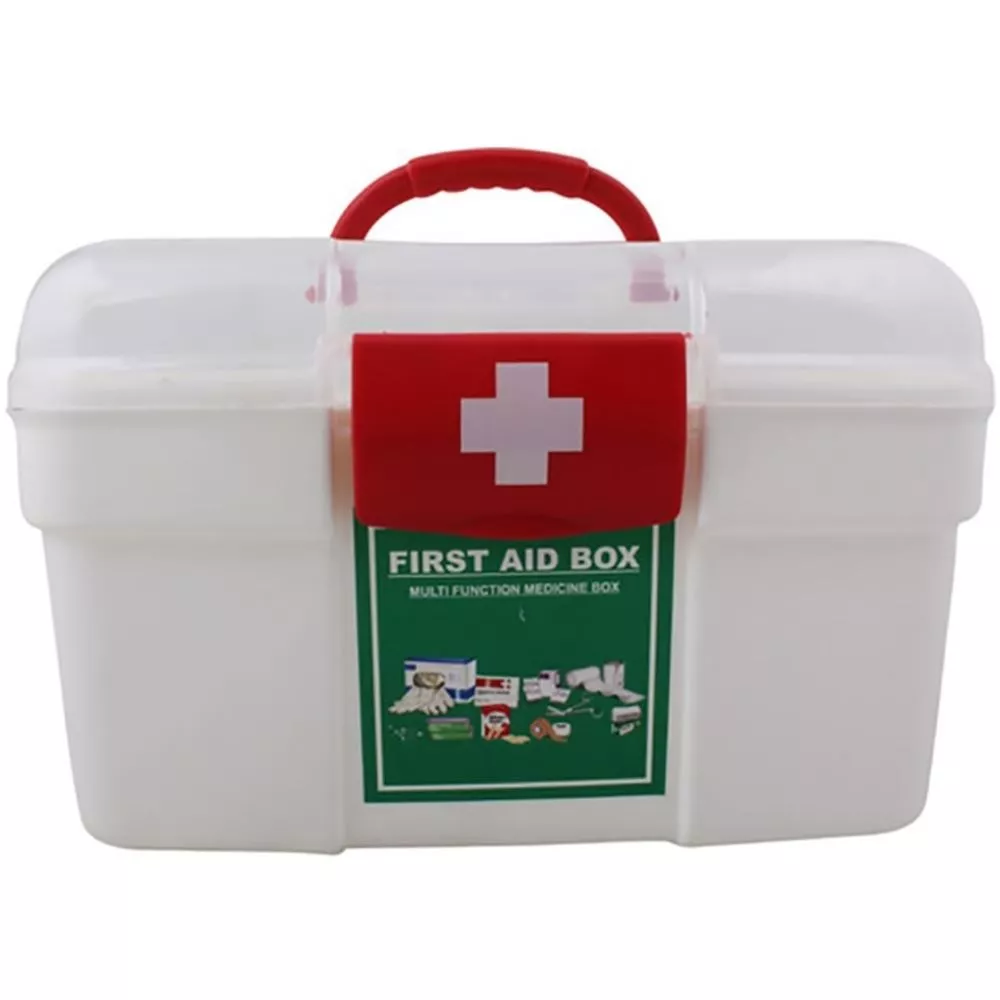
6. First Aid Kit
Every home should have a complete first aid kit to handle minor injuries and emergencies.
Essential Items
• Bandages
• Antiseptic wipes
• Sterile gauze
• Pain relief medicine
• Adhesive tape
• Medical gloves
A well-stocked first aid kit can help stabilize injuries before professional help arrives.
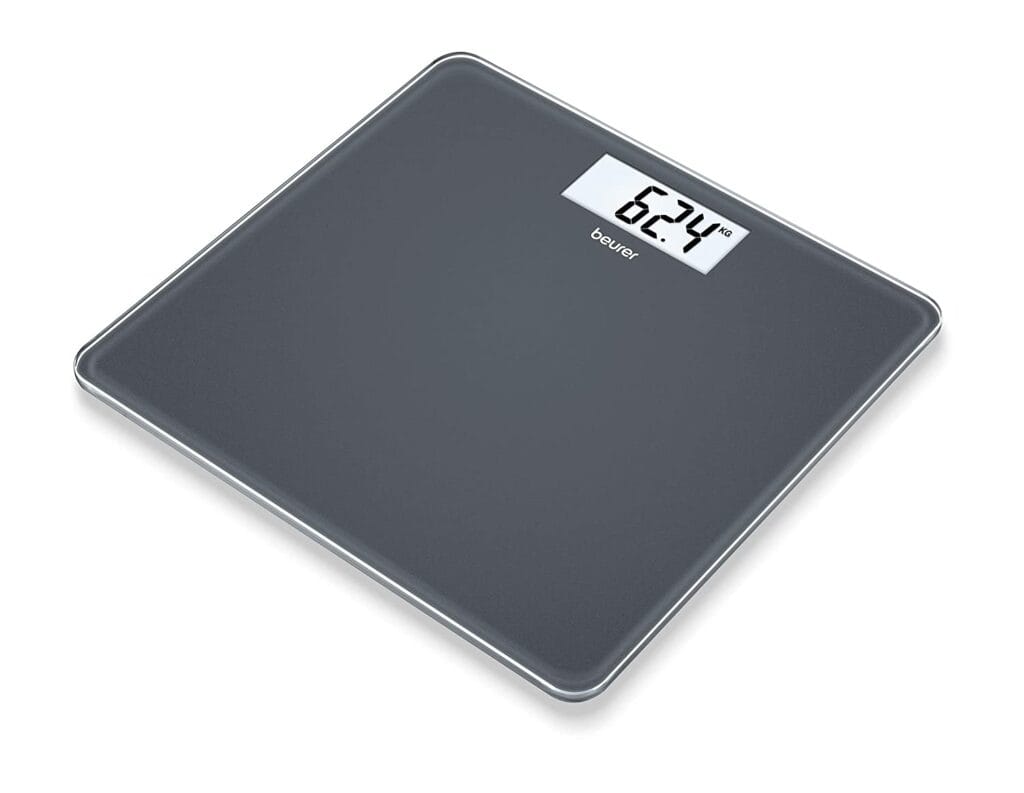
7. Digital Weighing Scale
Monitoring your body weight helps maintain overall health.
A digital weighing scale allows you to track weight changes and maintain a healthy lifestyle.
Benefits
• Manage obesity
• Track weight loss
• Monitor BMI
• Detect sudden weight changes
Smart scales can also measure body fat and muscle mass.
8. Smart Health Watch
Smartwatches now function as powerful health monitoring devices.
Many models include advanced health tracking features.
Features
• Heart rate monitoring
• Oxygen monitoring
• Sleep tracking
• Stress tracking
• ECG monitoring
These devices help users track daily health data and share insights with doctors.
9. Portable ECG Monitor
A portable ECG monitor measures the electrical activity of the heart.
It helps detect irregular heart rhythms and other cardiac problems.
Conditions Detected
• Arrhythmia
• Atrial fibrillation
• Irregular heartbeat
Portable ECG monitors provide valuable insights into heart health.
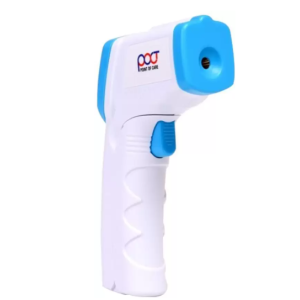
10. Infrared Thermometer
Infrared thermometers measure body temperature without direct contact.
This makes them extremely hygienic and convenient.
Advantages
• Contactless readings
• Fast temperature measurement
• Safe for children
• Hygienic and reliable
These thermometers are widely used in hospitals and households.
How to Choose the Best Home Medical Devices
When purchasing medical devices for your home, consider the following factors:
Accuracy
Choose certified medical equipment with reliable readings.
Ease of Use
Devices should be simple enough for anyone in the household to use.
Certification
Look for certifications such as:
• FDA approval
• CE certification
• ISO standards
Trusted Supplier
Buying from reliable stores like TS Healthstore ensures that the products are authentic and medically approved.
Frequently Asked Questions
What medical devices should every household have?
Every household should have essential devices like a blood pressure monitor, thermometer, pulse oximeter, glucose monitor, and first aid kit.
Why is a pulse oximeter important?
A pulse oximeter helps monitor oxygen levels and detect respiratory problems early.
Are home medical devices accurate?
Yes. Modern digital medical devices are highly accurate when used correctly.
How often should blood pressure be checked at home?
If you have hypertension, doctors recommend checking blood pressure once or twice daily.
Where can I buy reliable home medical devices?
You can purchase certified home healthcare equipment from TS Healthstore, which offers trusted diagnostic devices.
Conclusion
As healthcare becomes more technology-driven, home monitoring is becoming an essential part of modern living.
Having the essential medical devices every household should have in 2026 ensures that families can monitor their health, detect potential problems early, and respond quickly during emergencies.
Investing in reliable medical equipment not only improves safety but also promotes long-term health and well-being.